FREE sourcing support · up to 3%

Eligibility applies to qualified business buyers and is confirmed after we review your product, quantity, destination, and sourcing requirements.

Crop geometry shapes the scope

Drip irrigation sprinkler application planning

A product expression can include different irrigation methods. Clarify whether you mean a drip irrigation emitter, a micro sprinkler or a field sprinkler package before comparing factory offers.

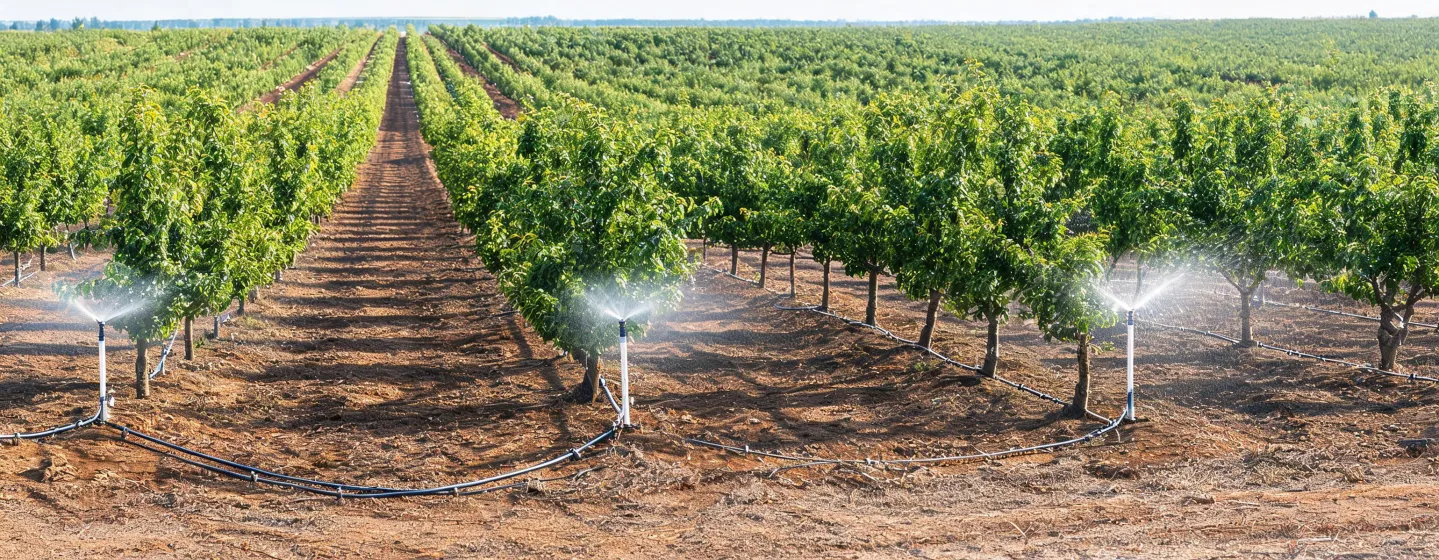
Orchard sprinkler and drip line application

Translate crop use into an RFQ

01 / broadacre

Field crops

For a regular field, compare a center pivot span arrangement with fixed or movable sprinkler laterals. Record field shape, obstacles, power and inlet flow. A pivot configuration may suit broad coverage, while drip requires a different layout and maintenance plan.

02 / perennial crops

Orchards and vineyards

Identify row spacing, tree canopy, emitter placement and pressure variation along laterals. Under-tree micro sprinklers and drip lines create different wetting patterns; ask the agronomist which pattern the root zone and soil require.

03 / specialty production

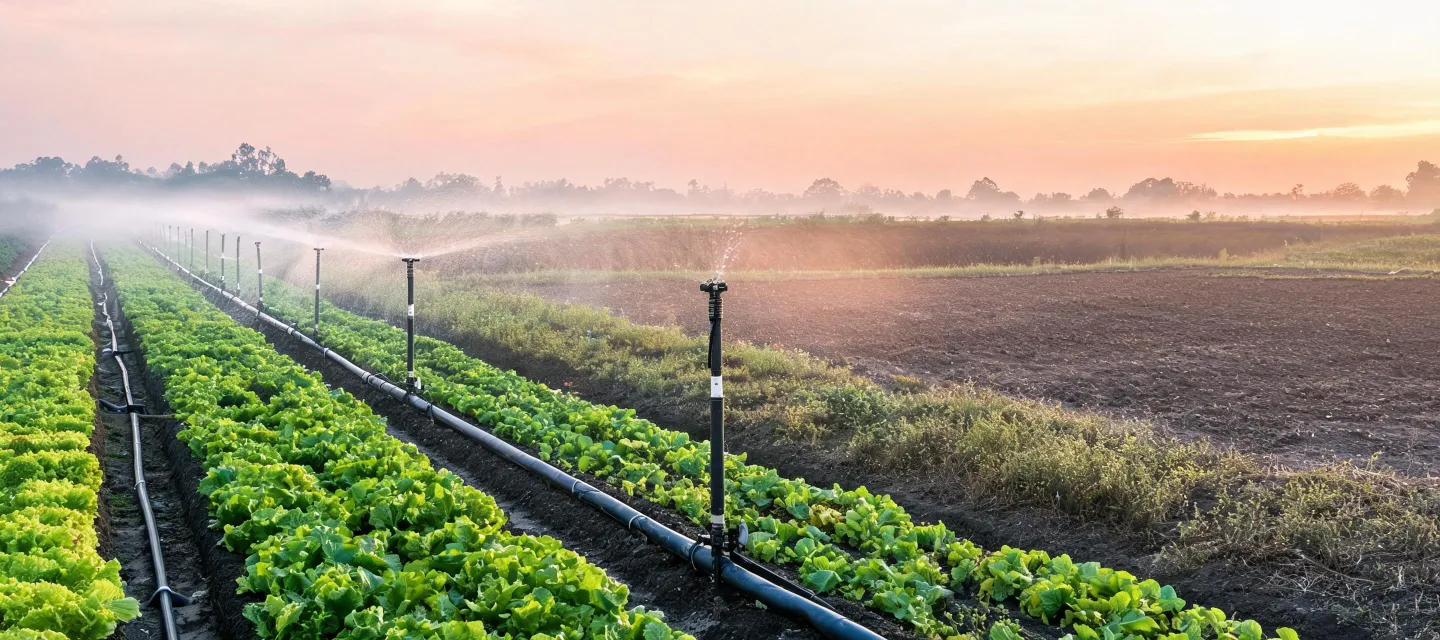
Vegetable beds

Bed width, crop rotation and harvesting access affect the choice. Drip may keep foliage dry and support fertigation, but filtration, clogging risk and recurring lateral handling need evaluation. Sprinklers require attention to wind and leaf wetting.

04 / nursery blocks

Container and nursery crops

Record pot spacing, growing area and zone changes. Ask how nozzle pattern, operating pressure and riser height are specified. A catalog coverage radius cannot substitute for a site layout or confirmation of irrigation uniformity.
Drip versus sprinkler: compare the same task

The relevant industry trade-off is drip irrigation versus center pivot sprinkler coverage. Avoid claiming universal water savings from a method name.

Decision inputDrip arrangementSprinkler arrangement
Water and filtrationRequest emitter passage and filter specification; plan flushing and water-quality review.Request nozzle passage, inlet pressure and filter requirements for the offered model.
Coverage and layoutMatch line spacing and emitter position to beds, trees and root-zone requirements.Match nozzle spacing and wetted pattern to crop height, field edges and wind exposure.
Operating costCompare lateral replacement, filter cleaning, fertigation and labor.Compare pumping conditions, moving equipment, nozzle service and distribution checks.

System flow rate must state its basis: a single zone or the entire simultaneously operating package, in gpm or m³/h. Pressure must identify the measuring point and operating condition. Soil infiltration, wind and elevation constrain both approaches; no yield, water-use or return-on-investment result is asserted here.

Procurement scenarios, not customer testimonials

An orchard replacement request

Illustrative situation: a buyer wants replacement heads on an existing lateral. Record the connection thread, riser height, operating pressure and desired wetting pattern. Request a sample and dimensional drawing before bulk approval. The decision output is a documented compatibility check, not an assumed fit.

A new field package

Illustrative situation: a contractor needs a complete sprinkler package. Separate pump, filter, fertigation and controls from field laterals; ask each factory to quote the same area and zone schedule. Review installation and commissioning exclusions so the equipment total does not hide a missing work package.

The technical reference questions explain how to request model documents. Application vocabulary is informed by the locked Netafim product-family research record; that source does not endorse this service or validate a proposed supplier.

Irrigated vegetable field

Describe the application before selecting a head

Compare inquiry configurations and share the water, crop and delivery data needed for a factory response.

Business buyer support

FREE sourcing support

up to 3%

Eligibility applies to qualified business buyers and is confirmed after we review your product, quantity, destination, and sourcing requirements.

Discuss the applicable support after your irrigation scope is reviewed.

Share Your Requirements